What Panic Bar Installation Actually Involves for Commercial Doors
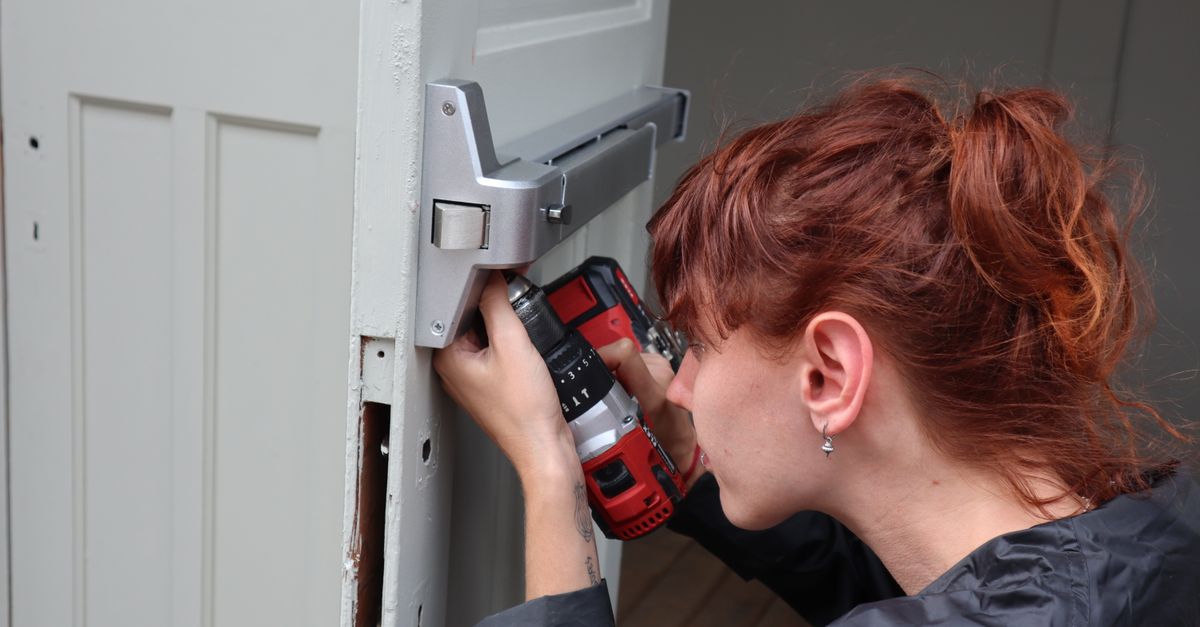
An exit device — commonly called a panic bar or crash bar — is a spring-loaded horizontal bar mounted across an emergency egress door. When someone pushes against it under stress, the latch retracts instantly, allowing the door to swing open without requiring the user to turn a knob, key, or thumb-turn. Installing one correctly means more than bolting hardware to a door; it requires aligning the latch case with the strike plate, verifying backset measurements, confirming door thickness compatibility, and setting the correct tension so the bar does not free-swing or bind. Our technicians also check that the device coordinates properly with any door closer or alarm contact already on the door, preventing false alarms or code violations once the installation is complete.
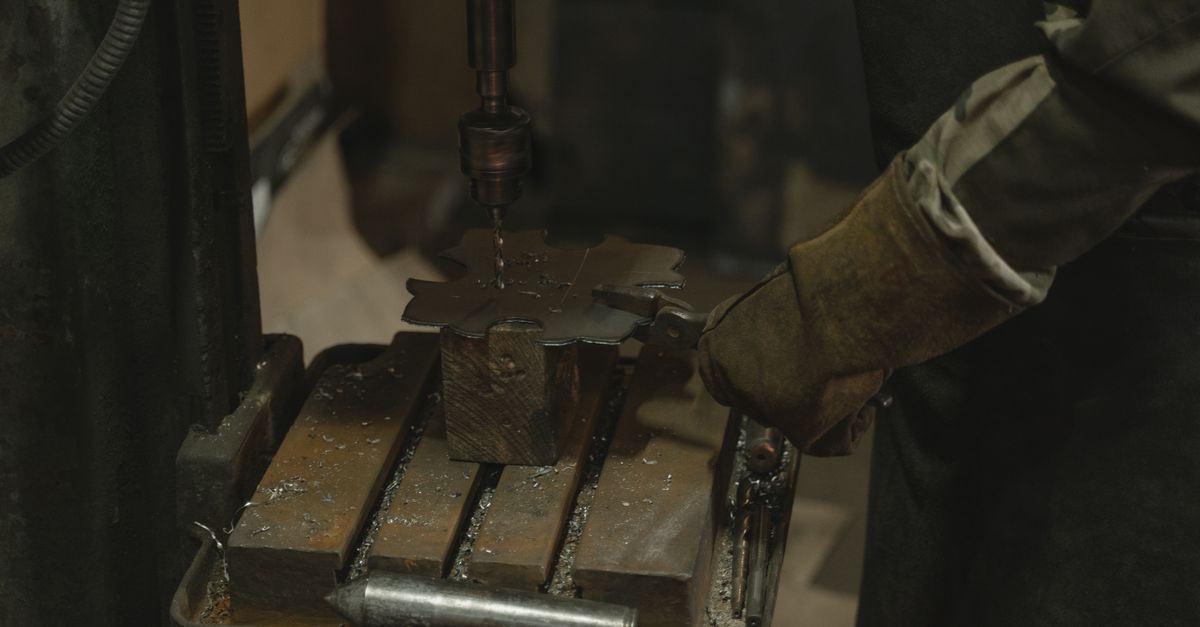
The scope of a panic bar installation changes significantly based on the existing door prep. A hollow-metal door that already has a mortise lock cutout, for example, requires a compatible mortise lock panic bar — a device that integrates a mortise lock body into the crossbar mechanism, giving you the egress function on the inside and full key-cylinder security on the outside. Retrofitting a mortise lock panic bar onto a door that was prepped for a cylindrical lock involves additional machining and reinforcement, which is precisely why a field assessment by a skilled locksmith matters before any hardware is ordered.